VortexAccel
VortexAccel
VortexAccel
Examine our high-density server configurations, mission-critical power architectures, and NVMe tiering hardware selected for global deployment pipelines.
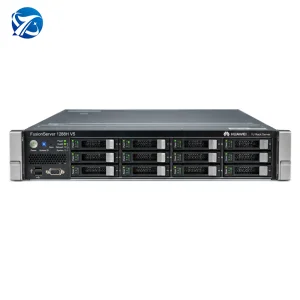
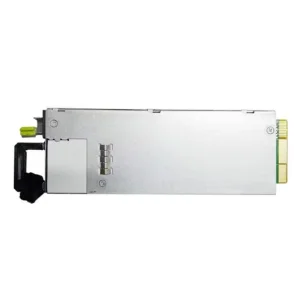
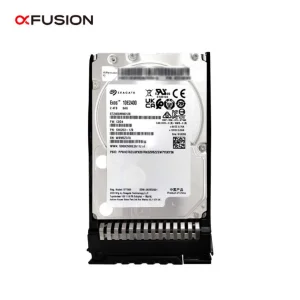
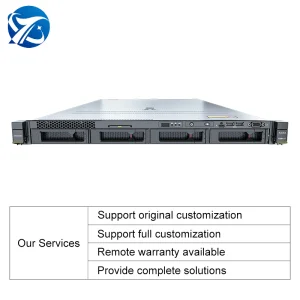
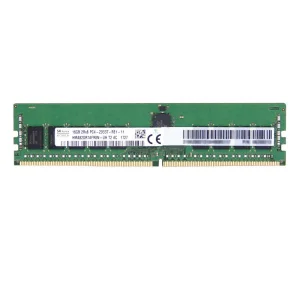
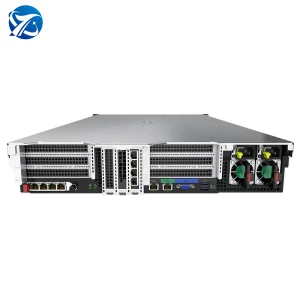
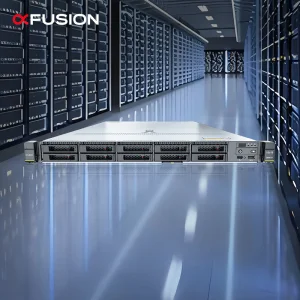
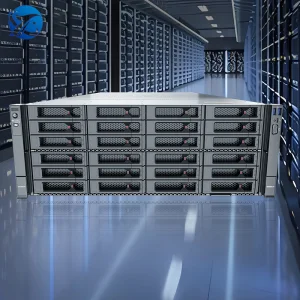
The global demand for computational power is scaling exponentially. Driven by large language model (LLM) training, real-time transformer inference, complex big data analytics, and the widespread adoption of AI frameworks (including local systems like DeepSeek), traditional CPU-bound architectures have reached their limits. In modern enterprise settings, the metric of success is no longer simply physical capacity but density, thermal optimization, efficiency, and system-level dependability. China’s advanced electronics hubs have rapidly transformed from manufacturing component farms into high-tech, R&D-led design and integration complexes capable of deploying complete, liquid-cooled, AI-ready data center topologies.
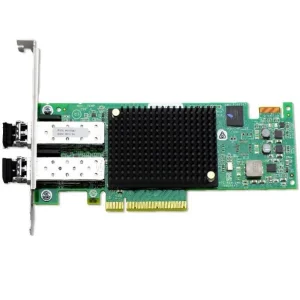
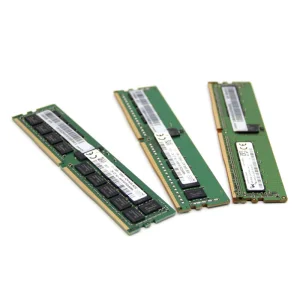
A true "solution" goes beyond rack servers. It involves precise alignment of network fabric throughput (such as 32GFC HBA and high-bandwidth optical switches), balanced DIMM architectures that feed starving processors, and robust PMBus-integrated power supply modules that maintain clean power delivery under severe dynamic loads.
To address these evolving enterprise workloads, manufacturers must combine mechanical precision, board design capabilities, and customized firmware layers. Factors such as Power Usage Effectiveness (PUE) are no longer just regulatory goals; they are primary design considerations. As standard air-cooling reaches its functional limit at around 30kW to 35kW per rack, the industry is transitioning toward hybrid air/liquid and fully direct-to-chip (D2C) liquid-cooled infrastructure designs. This transition requires significant manufacturing experience and rigorous validation protocols to ensure system reliability in production environments.
Combining structural hardware engineering, thermal design, and system optimization to support global data center deployments.
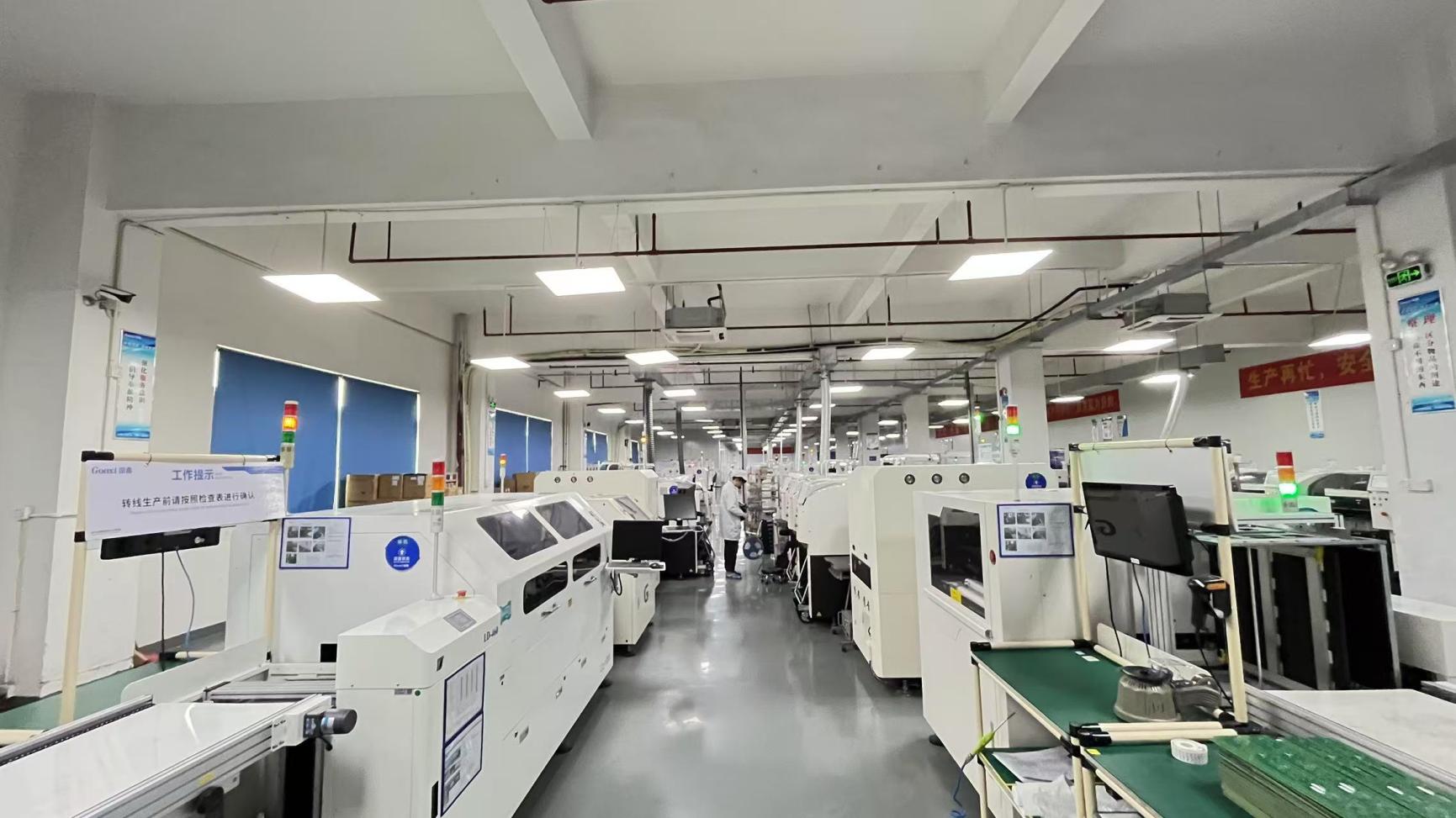
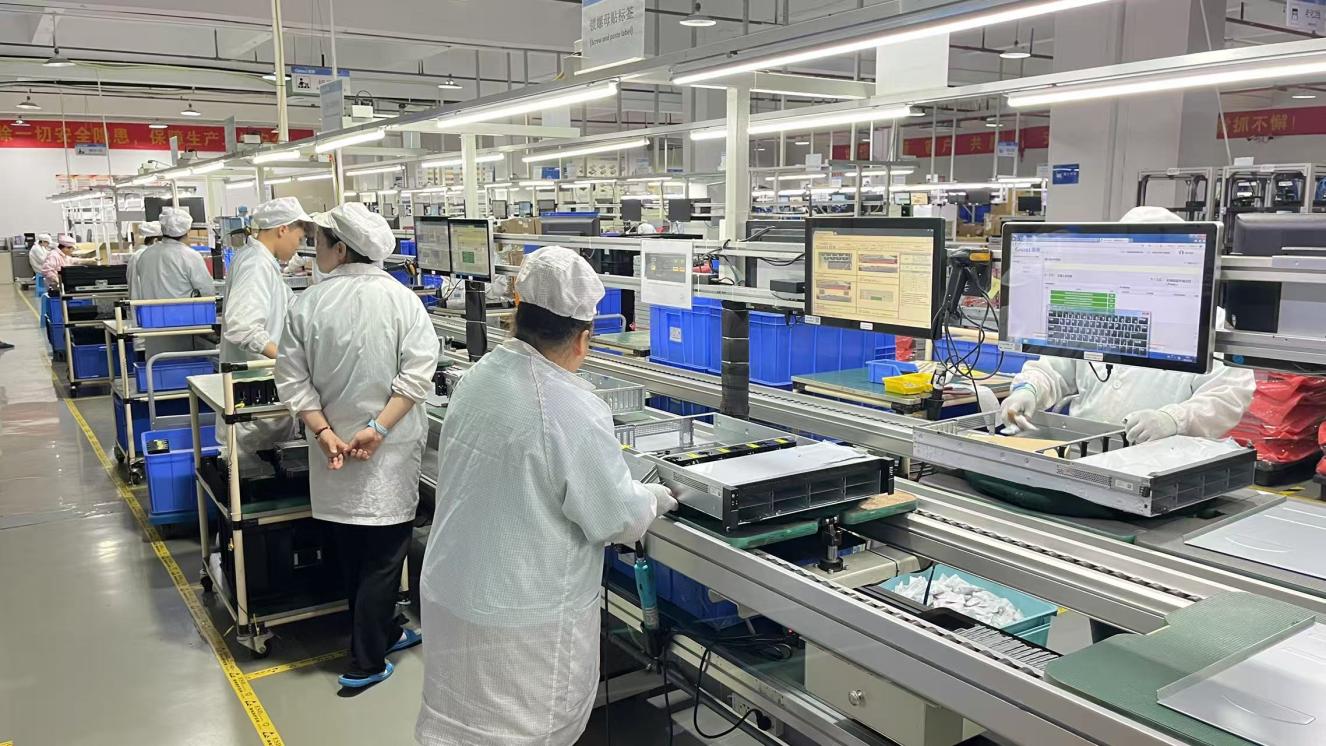
VortexAccel Systems Ltd (vortexaccel.com) has developed specialized capabilities as a designer and manufacturer of AI GPU servers and high-performance computing hardware. Operating from an 18,500-square-meter facility with seven years of direct export experience, the company supports complex enterprise infrastructures globally.
All hardware undergoes multi-stage, ISO-aligned testing designed to detect potential issues before deployment. These quality assurance processes include:

Deploying computing infrastructure globally requires careful alignment with local technical regulations, safety certifications, and logistics frameworks. We work closely with our customers to confirm that import procedures, custom clearance documentation, and localized field integrations are handled correctly. Whether shipping to North America, Western Europe, Southeast Asia, or the Middle East, our solutions are packaged and certified to meet regional standards.
We supply servers that comply with CE, FCC, UL, and RoHS requirements. Component level sourcing prioritizes high MTBF, low ESR solid capacitors, and robust system boards to maintain reliability under continuous operation.
By maintaining relationships with 860 global component suppliers, we secure access to memory, controllers, storage chips, and sub-assemblies to help protect client production schedules from component shortages.
We assist with hardware installation by providing detailed remote architecture guides, custom rail kit configurations, and modular cabinet assemblies designed to fit standard regional data center formats.
Modern compute systems are highly specialized, meaning hardware must be carefully selected to match the workload. Choosing the right configuration prevents compute bottlenecks and helps manage power consumption.
| Workload Type | Key Bottlenecks | Recommended Server Architectures | Recommended Memory & Storage Target |
|---|---|---|---|
| LLM Fine-Tuning & AI Inference | GPU-to-GPU bandwidth, high memory capacity, fast host-to-device transfers. | Multi-GPU servers (e.g., 2U/4U GPU Flagship architectures, PCIe Gen 5 links). | 64GB DDR4/DDR5 RDIMM, NVMe SSDs (read-write hybrid, low latency). |
| HPC & Large-Scale Database Engines | CPU clock speeds, memory access latency, storage read IOPS. | High-density 4-Socket or 2-Socket rack nodes (e.g., 2U 4-Socket servers). | Multi-channel DDR4/DDR5, high-capacity hybrid write-intensive PCIe SSD storage. |
| High-Density Compute Centers | Physical space constraints, power delivery limits, cooling efficiency. | Optimized 1U rack mount nodes with dual high-core-count processors. | Fast read/write NVMe storage arrays and efficient redundant 80 Plus Titanium power supplies. |
| Data Distribution & Cloud Network Backbones | Network interface packet processing rates, PCI expansion capacity, physical storage slots. | Enterprise 4U high-storage platforms, multi-port HBA cards, and optical switches. | Low-latency Fibre Channel HBAs, high-density HDD/SSD configurations. |
As chip-level power demands continue to rise, power delivery and thermal management must adapt. Central processors are moving past 350W TDP, and advanced GPU components often exceed 700W TDP, requiring new approaches to system layout. VortexAccel's R&D team, comprised of 320 specialized hardware and structural engineers, is currently developing solutions to meet these future design challenges:
Optimizing server interior layouts, redesigning heat sinks, and using 3D vapor chambers with high-static-pressure fans to manage up to 40kW per rack cabinet without requiring full facility modifications.
Developing closed-loop cold plate structures that distribute coolant directly to the CPU and GPU dies. This design helps reduce server fan power consumption and lower general facilities PUE to below 1.25.
Collaborating on dielectric fluid immersion tanks where entire server components are submerged in non-conductive liquid. This approach aims to virtually eliminate traditional air cooling hardware.
Common technical questions regarding our manufacturing processes, hardware configurations, and global supply logistics.
We source memory chips from verified suppliers and run extended memory diagnostics on all modules. In addition, we configure ECC (Error-Correcting Code) memory by default on all multi-socket servers, helping to automatically correct single-bit memory errors and protect database and AI workloads.
Our team provides custom configuration services for system chassis, custom PCIe slot layout, liquid-cooling loops, high-efficiency power supplies (AC/DC inputs), and specific BIOS/IPMI firmware configurations. These adjustments are managed by our 320 R&D engineers based on client specifications.
All hardware shipments are packaged in heavy-duty, anti-static materials and reinforced wooden crates to withstand transit. We provide full customs documentation, export certificates, HS code classifications, and work with international freight forwarders to coordinate delivery to the destination facility.
Our rack mount servers feature N+1 redundancy on power supplies with support for hot-swapping. This design allows power modules to be replaced while the system continues running, helping to prevent downtime from standard power supply issues.
Every server undergoes a burn-in test under structural load for at least 24 to 72 hours. We run automated scripts to check port connections, interface integrity, thermal limits, and CPU/GPU performance metrics. These test logs are kept for quality control validation.
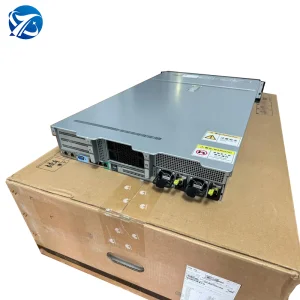
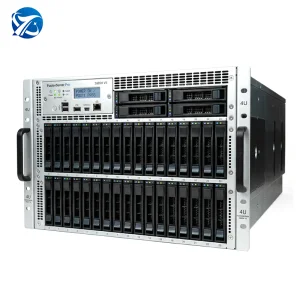
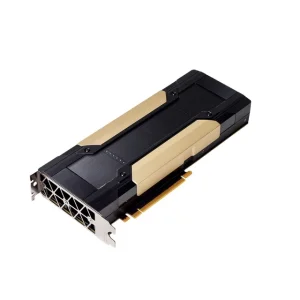
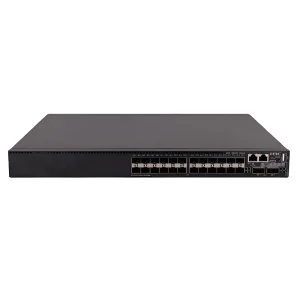
Browse our selection of flagship GPU systems, large-scale storage arrays, and network switches designed to prevent interconnect bottlenecks.