VortexAccel
VortexAccel
VortexAccel
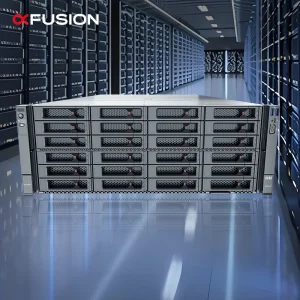
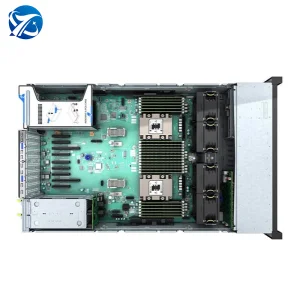
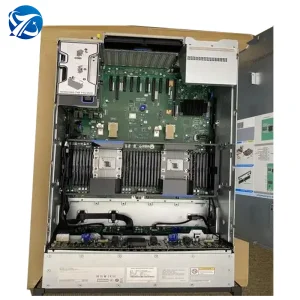
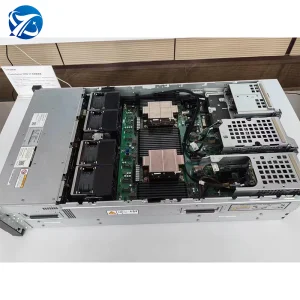
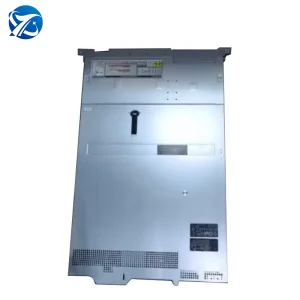
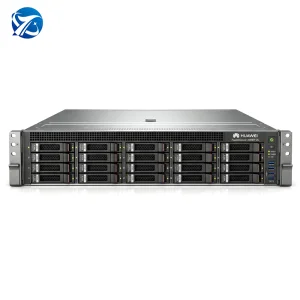
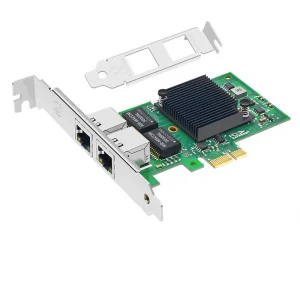
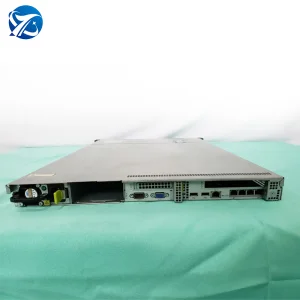
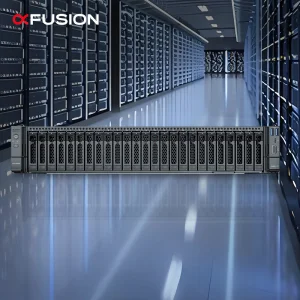
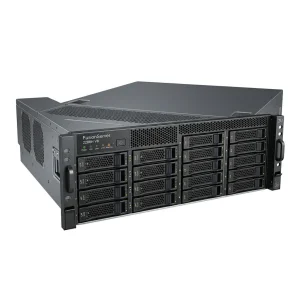
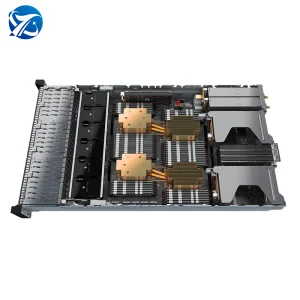
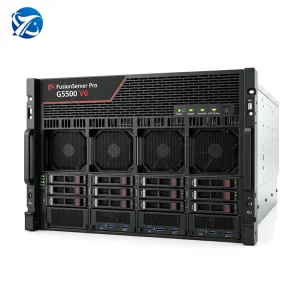
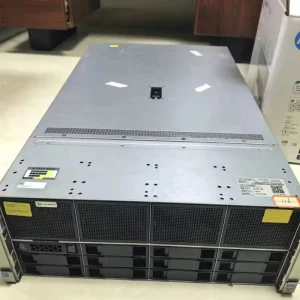
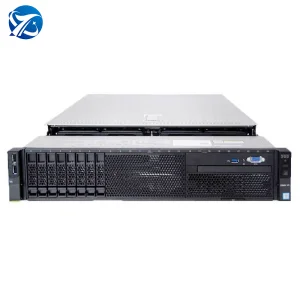
Explore our high-density rack computing arrays, high-speed storage nodes, and state-of-the-art accelerators designed to handle workloads optimized for deep learning neural networks, virtualization, and distributed databases.
Modern data pipelines are undergoing a foundational transformation. With the rise of advanced artificial intelligence frameworks, LLMs (such as DeepSeek and specialized transformers), and real-time semantic queries, the computing resource landscape requires an unprecedented degree of hardware-software alignment. Today's cloud resources are no longer just basic virtual machines. They are deeply heterogeneous processing ecosystems that must balance intense compute, low-latency communication buses, and highly structured storage matrices.
As enterprise networks scaling high-performance database arrays discover, traditional general-purpose server configurations introduce severe bottleneck points. When user queries depend on machine learning models to parse semantic contexts rather than literal strings, database systems read and write huge arrays of vector values. To sustain this, hardware must deploy PCIe Gen 4/5 architectures, massive multi-socket configurations, and dedicated GPU computing nodes. This article reviews the industry's top cloud resource designs, detailing manufacturer capacities, hardware specifications, and the micro-architectural requirements of modern workloads.
Hardware must adapt to the system requirements of target operational environments. Below are the primary deployment frameworks where specialized Cloud Computing hardware delivers measurable operational advantages.
Training advanced large language models requires sustained, high-throughput FP32 and FP16 compute loops. Utilizing custom GPU servers engineered with air/liquid hybrid cooling systems ensures processor temperatures remain stable during multi-week training epochs, preventing thermal throttling.
Multi-socket server configurations (e.g., 4-socket configurations featuring high-density DDR4 memory racks) are critical for handling heavy business intelligence dashboards and ERP databases. High-throughput memory bandwidth ensures real-time queries do not queue behind background batch operations.
Heterogeneous compute systems utilize high-density GPU matrices to render virtual desktops and cloud gaming streams on demand. Hardware configuration optimizations prioritize short-depth racks for space-constrained edge locations and low-latency network interconnects.
VortexAccel Systems Ltd (vortexaccel.com) is an established, specialized AI GPU server manufacturer and infrastructure provider, with structural capabilities designed to meet the demands of modern data center deployments.
Backed by an in-house GPU architecture optimization team, VortexAccel Systems provides full-stack AI infrastructure support. Custom configuration pipelines address every level of hardware integration: rack structural design, cooling solutions (both high-efficiency air loops and direct-contact liquid plates), specialized firmware tuning, and automated cluster-scaling setups.
With 320 R&D engineers specializing in hardware design, structural thermal mechanics, and system software, the organization releases an average of 86 new models and iterative hardware revisions annually, keeping pace with semiconductor evolution.
Reliability is built directly into our production processes. VortexAccel Systems runs an ISO-aligned quality verification pipeline managed by 42 dedicated QC specialists. Every server unit undergoes multi-stage verification tests before deployment:
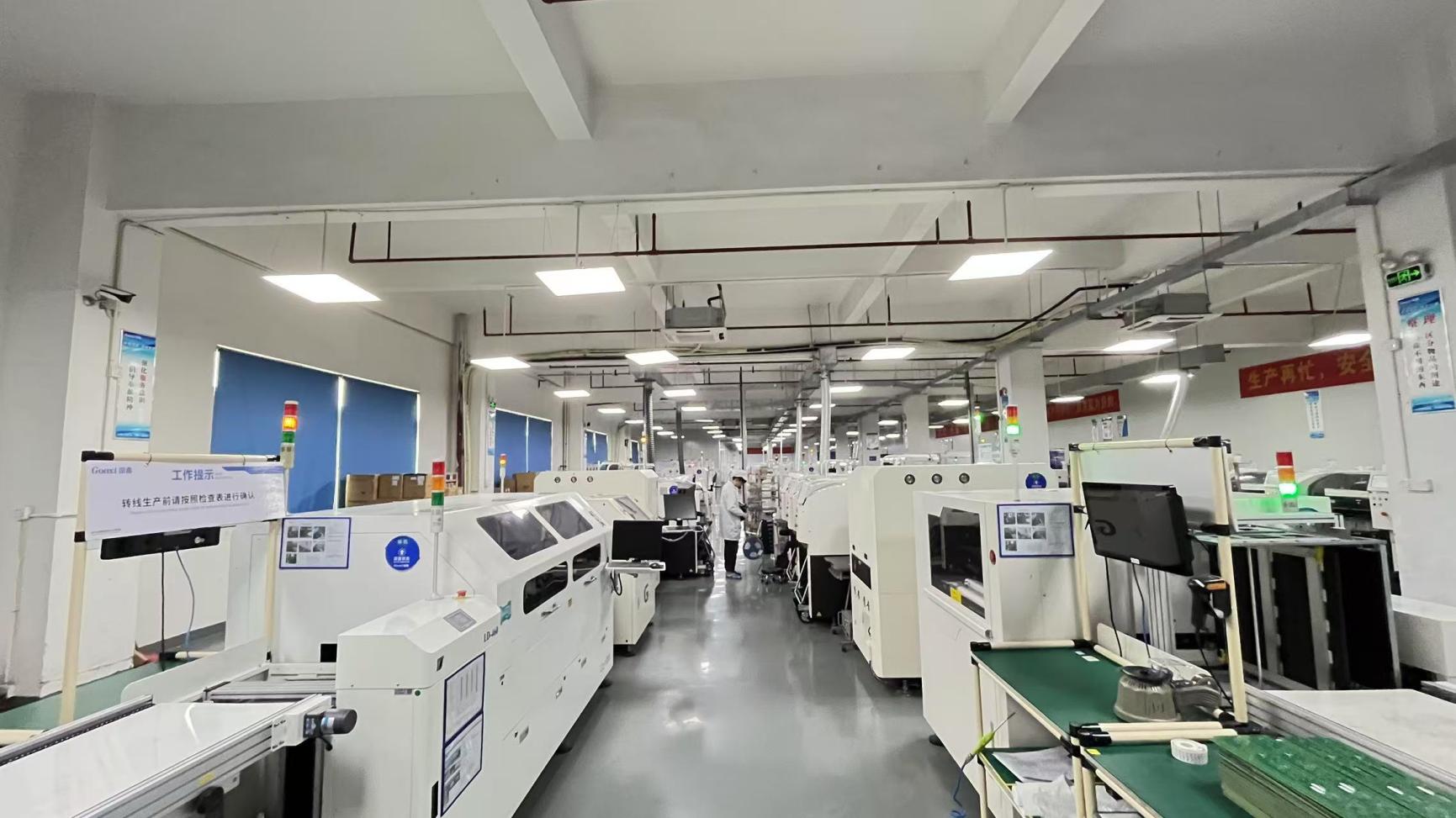
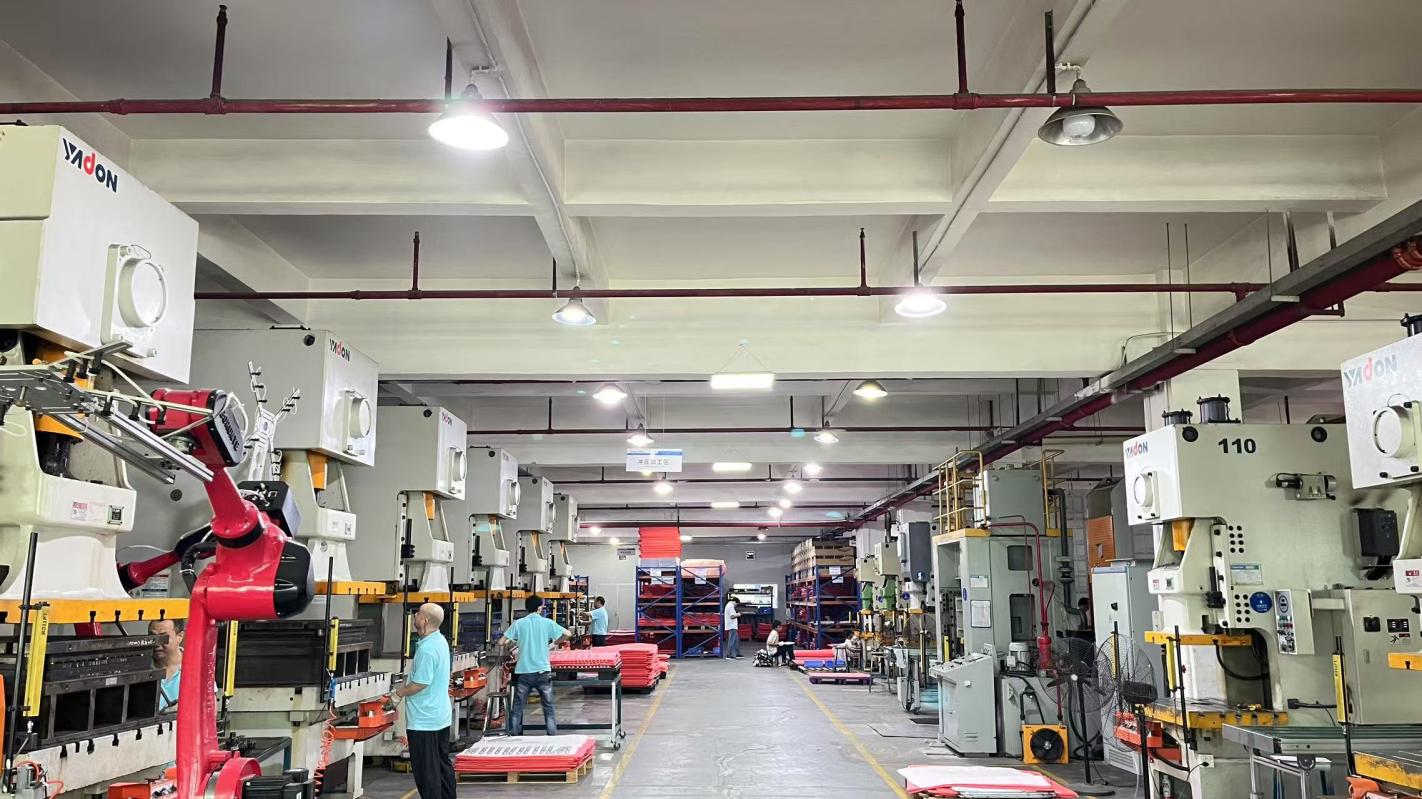
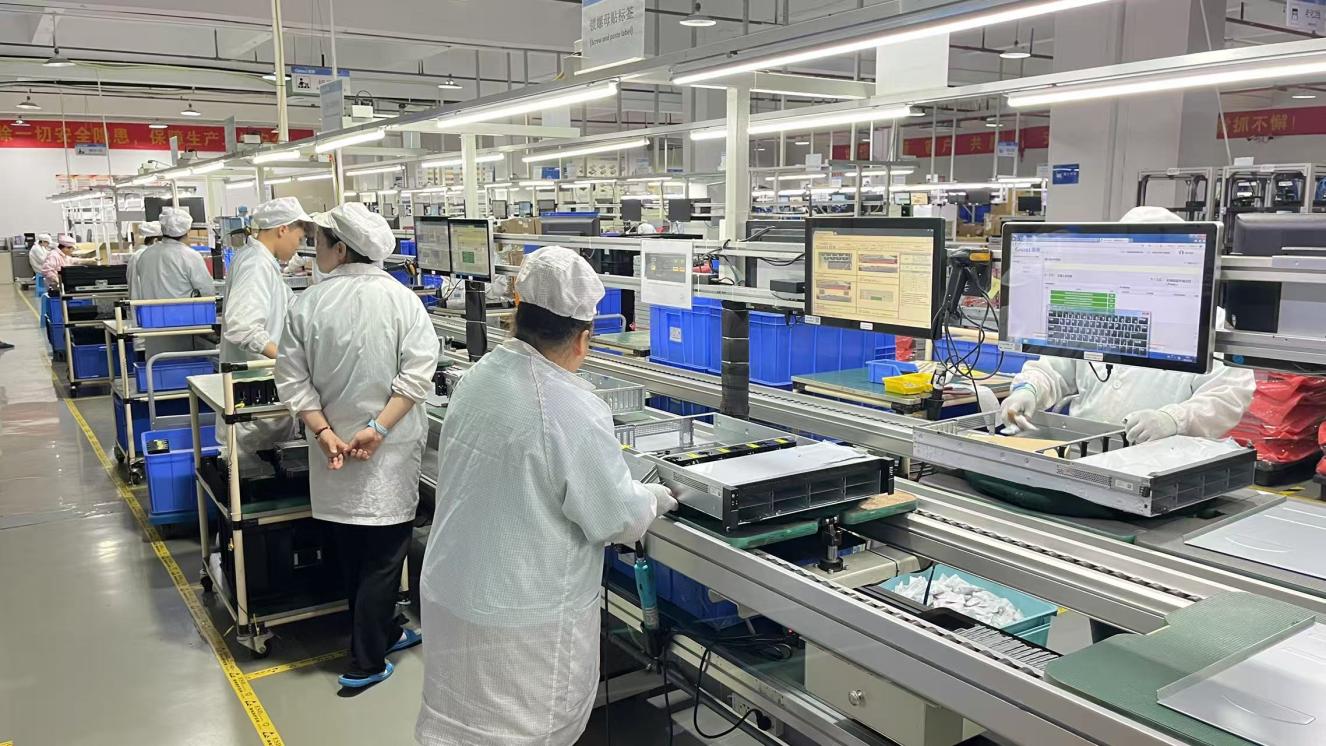
Deploying cloud computing resources internationally requires navigating regional compliance and trade frameworks. Equipment exported to North America, Western Europe, the Middle East, and Southeast Asia must meet strict emission, electrical safety, and recycling standards. Manufacturers ensure that all power distribution systems, chassis designs, and motherboard components hold necessary certifications such as FCC, CE, RoHS, UL, and localized CB schemas.
To support customers globally, VortexAccel Systems leverages an integrated supply network of 860 component and semiconductor partners, helping buffer production schedules against supply chain disruptions. In addition, post-sale support teams offer SLA frameworks for hardware diagnostics and replacement. This configuration includes remote Out-of-Band (OOB) hardware-level diagnostic access, helping data center administrators debug system states without needing physically present teams at local co-location facilities.
As processor thermal design power (TDP) moves beyond 400W and 500W limits in modern AI platforms, cooling and interconnect designs must change. Air-cooled server racks face physical limitations in high-density environments where server configurations run multiple PCIe accelerators in close proximity. The future roadmap relies heavily on direct-to-chip liquid cooling loops and secondary immersion frameworks, which are designed to improve power usage effectiveness (PUE) at the facility level.
Additionally, modern buses like Compute Express Link (CXL) are shifting how systems handle memory constraints. CXL allows CPUs, GPUs, and high-speed network interfaces to share memory pools dynamically, helping reduce data-copy overhead and memory fragmentation. These physical and structural improvements ensure that high-density computing clusters can handle the next generation of Large Language Models (LLMs) and real-time database queries efficiently.
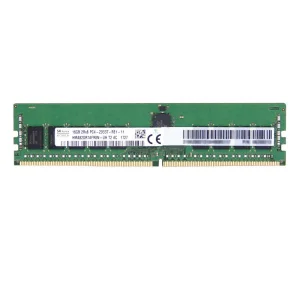
Explore our deep inventory of rack configurations, high-density server designs, and memory components engineered to support intensive data center deployments.
Expert answers addressing the micro-architectural requirements, thermal configurations, and system compatibilities of high-performance cloud hardware.