VortexAccel
VortexAccel
VortexAccel
Explore our premium line of high-performance rackmount hardware optimized for modern thermodynamic demands.
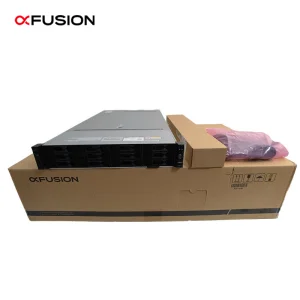
An authoritative analysis of thermodynamic bottlenecks in ultra-dense GPU architectures and advanced liquid loop solutions.
The global datacenters space is undergoing an unprecedented shift. Driven by advanced neural network models (such as large-scale LLMs, Generative AI models, and deep learning platforms), server heat output has outstripped traditional thermal engineering capabilities. Legacy air-cooled racks, which managed 10kW to 15kW, are now insufficient. Modern high-density AI clusters routinely consume 40kW to over 100kW per cabinet, requiring direct changes to physical layout and fluid mechanics inside the chassis.
As microprocessors push the limits of silicon efficiency, CPU and GPU Thermal Design Power (TDP) continues to increase. High-performance enterprise compute chips now routinely operate at TDP ratings from 350W up to 1000W+. This level of thermal output requires specialized heat rejection mechanisms. Under pressure to optimize Power Usage Effectiveness (PUE) and meet strict carbon emissions targets, global cloud service providers, scientific research supercomputers, and large financial arrays are shifting away from traditional CRAC-only air systems toward hybrid liquid loops, direct-to-chip water plates, and complete two-phase immersion systems.
Current industrial design practices are focused on three main engineering approaches: direct-to-chip (D2C) cold plate systems, rear-door heat exchangers (RDHx), and single or two-phase liquid immersion tanks. Direct-to-Chip cooling remains the leading technology for retrofitting existing data center racks. It routes non-conductive dielectric fluids or purified water loops directly through micro-channel copper blocks mounted on the high-power chips, capturing up to 80% of waste heat before it enters the room.
Concurrently, Rear Door Heat Exchangers provide a cost-effective, high-yield transition path for standard data rooms. By replacing standard mesh cabinet doors with closed-loop water coils, RDHx units absorb heat directly from the hot aisle exhaust, allowing servers to run at ambient room temperatures without needing complex chassis alterations. For edge applications and high-compute supercomputing sites, immersion tanks provide an efficient long-term solution by submerging the motherboard in specialized synthetic dielectric fluids. This eliminates the need for system fans, resulting in significantly lower noise and vibration.
Aligning structural thermal capabilities with compliance, efficiency, and scale metrics.
Global cloud providers require cooling solutions that maintain a Power Usage Effectiveness (PUE) below 1.25. Our cooling loop integration helps enterprises lower auxiliary fan power and HVAC energy consumption, supporting compliance with strict environmental mandates.
Industrial systems demand highly tailored layouts. We design customized cooling systems, cold-plate geometries, and distribution manifolds that integrate cleanly into 1U, 2U, 4U, and 8U rack nodes without sacrificing valuable internal component space.
System downtime can be very costly. Global procurers prioritize thermal loops featuring redundant pumps, automated leak-detection lines, dry-break quick disconnect couplings, and corrosion-resistant copper channels to ensure a long Mean Time Between Failures (MTBF).
In addition to strict operational metrics, global purchasing managers emphasize supply chain transparency and regulatory validation. Server cooling components must meet international standards such as UL 62368-1 for safety and CE certification. Additionally, components that come into contact with fluids must undergo long-term chemical compatibility testing to prevent galvanic corrosion and fluid breakdown, ensuring reliable performance throughout the typical 5-year data center lifecycle.
A specialized AI GPU infrastructure provider delivering validated, high-density cooling systems.
Founded in 2016, VortexAccel Systems Ltd (vortexaccel.com) is an export-oriented manufacturer and R&D hub for high-performance server structures, AI computing configurations, and advanced thermal management platforms. With 11 years of industry experience, our company has developed deep expertise in server design, GPU cluster configuration, and thermal engineering, exporting high-performance computing setups to key markets in North America, Western Europe, Southeast Asia, and the Middle East.
Operating out of an 18,500㎡ facility, VortexAccel maintains full-process, ISO-aligned quality control systems. Our testing pipeline is designed to simulate demanding physical workloads: every chassis, cold plate, and cooling loop undergoes strict testing, including burn-in verification, thermal stress analysis, GPU load benchmarking, and automated firmware validation. Led by a team of 42 QC specialists, we ensure that every system shipped meets high performance standards.
Our team of 320 R&D engineers works closely with customers to design custom cooling configurations, rack layouts, and liquid-cooling manifolds. This in-house development capability allows us to release new models and updates quickly, keeping pace with the rapid changes in AI hardware architecture.
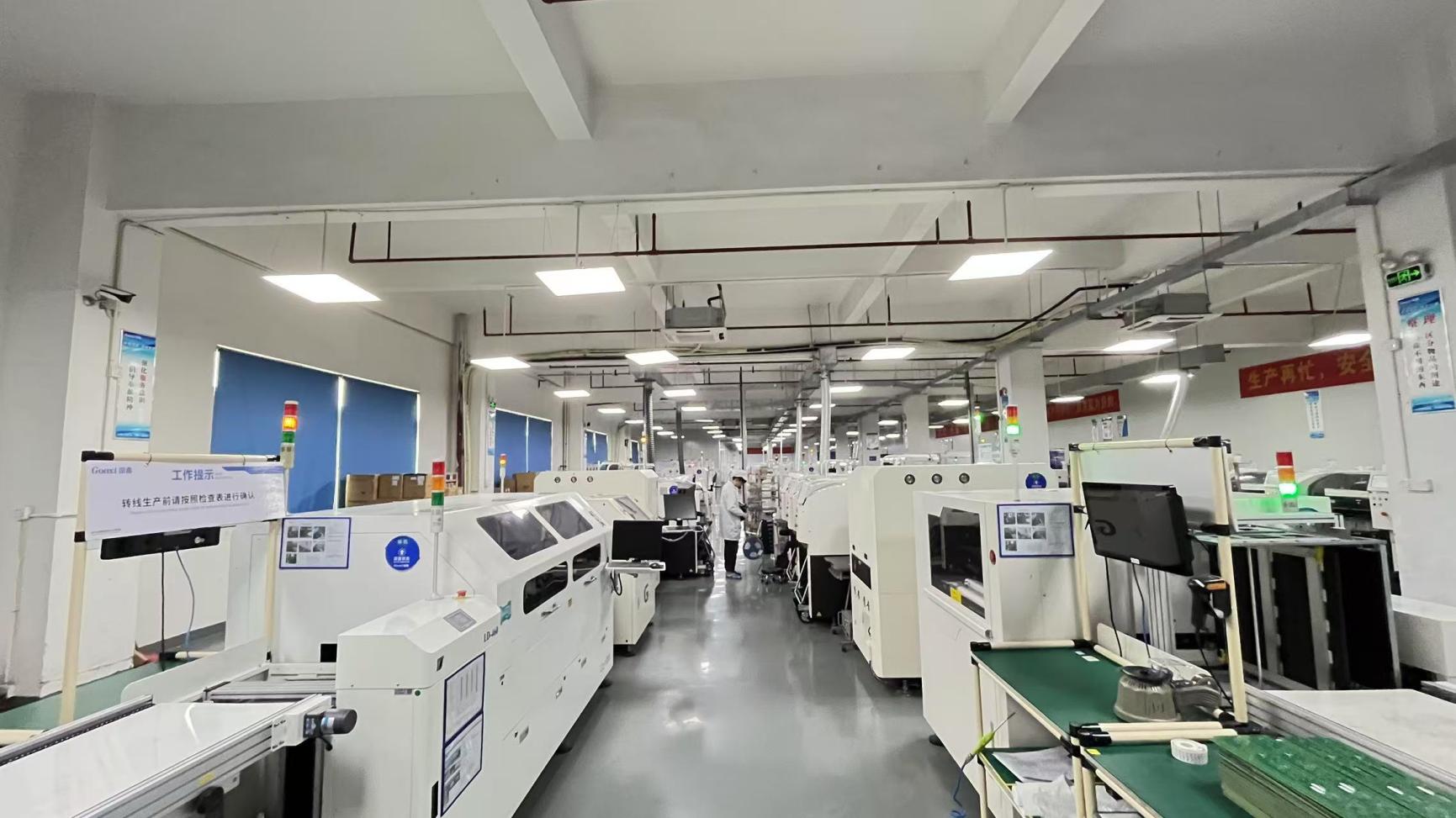
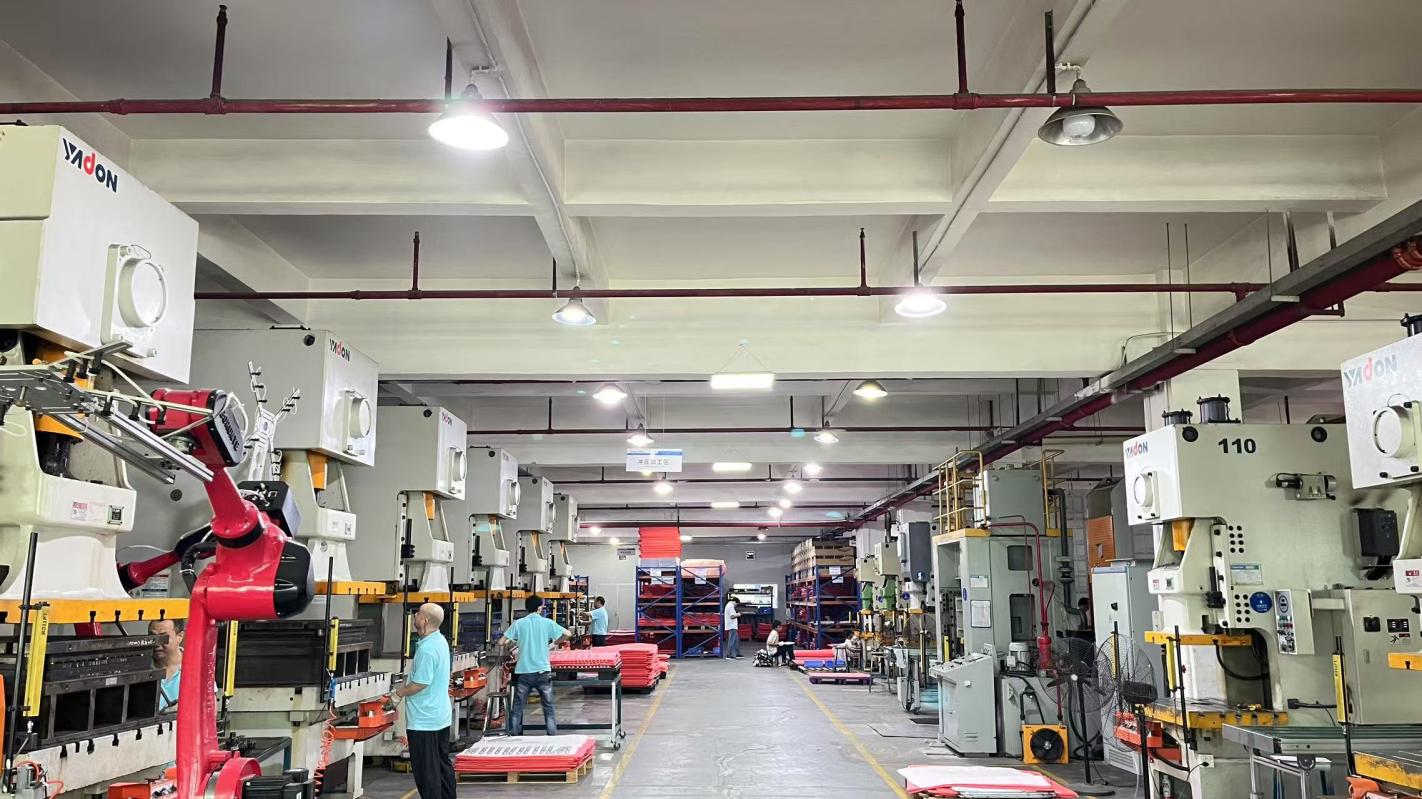
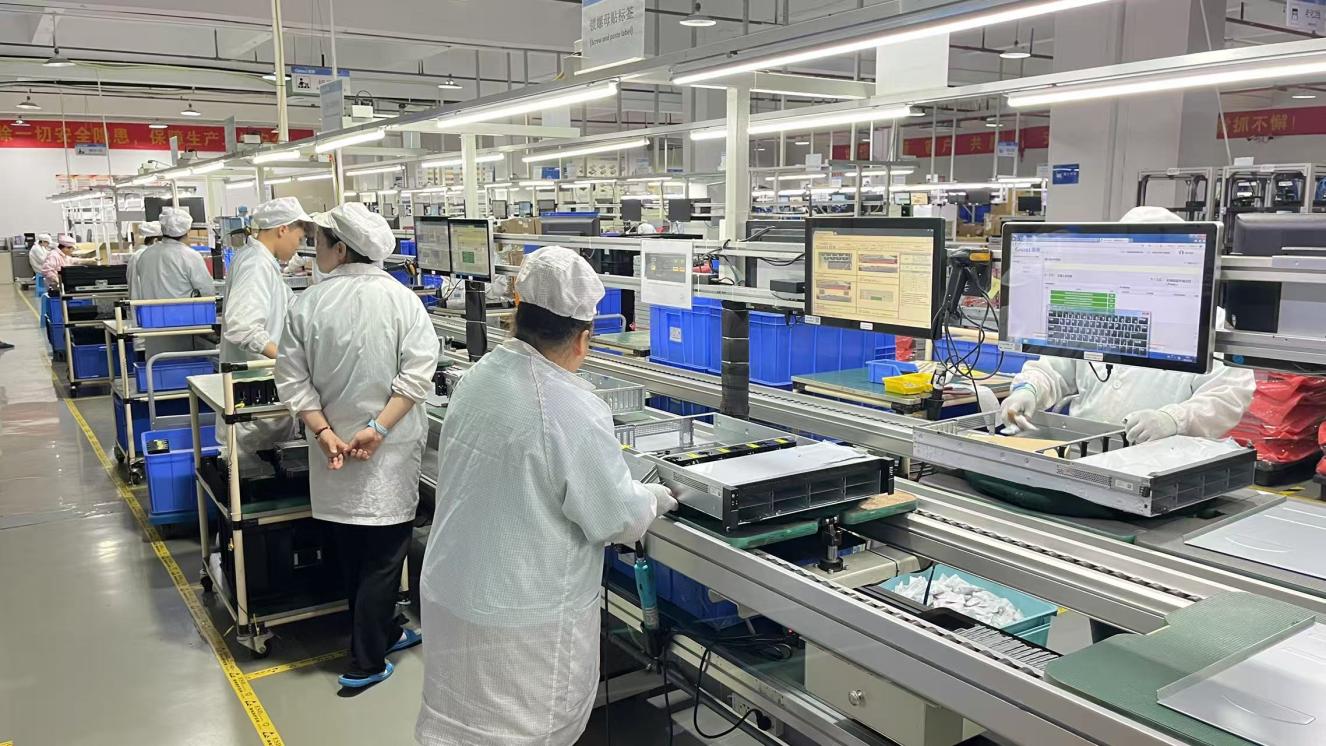
Leveraging domestic component ecosystems and advanced robotics to deliver cost-effective cooling systems at scale.
VortexAccel's manufacturing operations are based on Factory 4.0 practices, which integrate automation, real-time data monitoring, and production processes. Located in China's key electronics manufacturing hub, we maintain strategic partnerships with over 860 component and semiconductor suppliers. This robust network ensures a steady supply of high-grade raw materials, copper pipes, CNC-milled cold plates, and advanced pumps, helping protect our production timelines from external market disruptions.
Our automated production facility utilizes robotic arm setups, CNC routing machines, and laser micro-welding systems to produce high-precision cooling plates. Automated inspection systems check the thickness of thermal interface materials, joint integrity, and internal dimensions to ensure consistent quality across production runs. By combining this manufacturing capability with our experienced thermal engineering team, we can deliver custom cooling solutions in short turnaround times.
This operational efficiency allows VortexAccel to support clients through every step of their project lifecycle, from initial thermal modeling and fluid dynamics simulations to mass production, custom branding, and shipping coordination. This helps our partners optimize project schedules, control upfront costs, and accelerate their data center deployments.
Tailored thermodynamic deployments addressing unique environmental and mechanical constraints.
In high-density cloud centers, our Direct-to-Chip cooling loops manage the heat output of multi-GPU servers (such as 8-GPU systems). By cooling processors directly, we help operators lower overall rack energy use and improve system reliability.
Operating servers in arid, high-temperature regions presents challenges for traditional air cooling. We supply custom closed-loop liquid-to-air heat exchangers that prevent external dust from entering the chassis, protecting delicate hardware from airborne particles.
Edge nodes in warm, humid regions require compact, sealed enclosures. We design 1U/2U air-cooled systems with protective industrial coatings that resist humidity and corrosion, helping maintain reliable performance in challenging environments.
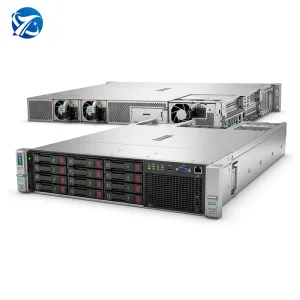
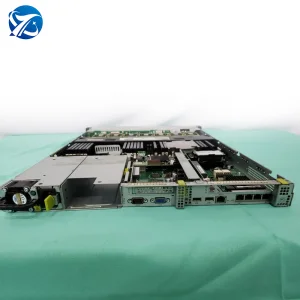
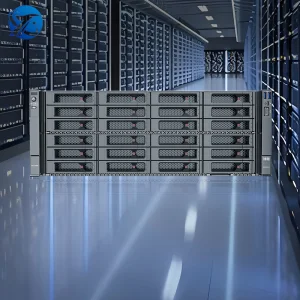
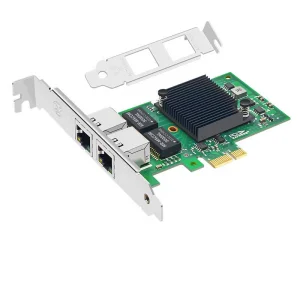
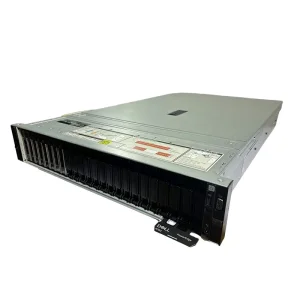
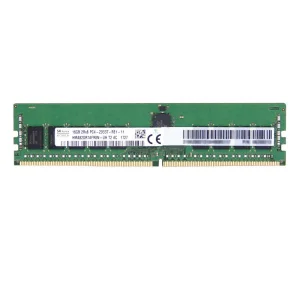
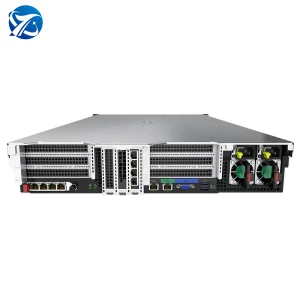
Select from our range of verified server systems, storage options, and system components.
Common questions regarding integration, design customization, and manufacturing standards.