In recent years, the demand for AI servers has surged globally, driven by advancements in artificial intelligence and machine learning technologies. As per the latest report from MarketsandMarkets, the AI server market is projected to reach USD 16.1 billion by 2026, growing at a compound annual growth rate (CAGR) of 28.9%. This growth presents significant opportunities for OEM AI server manufacturers who are poised to meet these rising demands.
China has emerged as a powerhouse in the OEM AI server manufacturing landscape. Leading Chinese firms are not only innovating but are also increasingly focused on quality and efficiency. Noteworthy players like Inspur and Huawei are continually enhancing their offerings to align with international standards. However, while China boasts a strong supply chain and competitive pricing, challenges such as quality control and intellectual property rights remain persistent issues.
For global buyers, selecting the right OEM AI server manufacturer is crucial. Factors such as technological capabilities, after-sales support, and compliance with international regulations must be considered. Understanding these dynamics can help businesses make informed decisions in a rapidly evolving market.
Overview of OEM AI Server Market in China
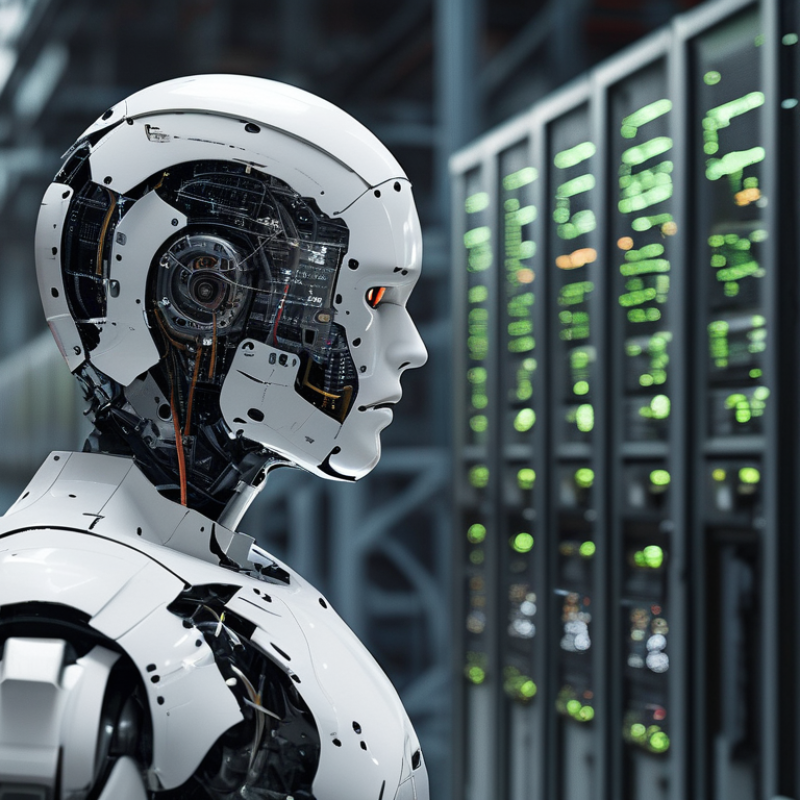
The OEM AI server market in China is rapidly evolving. This dynamic landscape stems from increased global demand for artificial intelligence technology. Manufacturers are adapting to meet the diverse needs of international buyers, focusing on innovation and scalability. AI servers are essential for processing vast amounts of data. As data grows, so does the need for efficient solutions.
Chinese manufacturers are leveraging local resources and expertise. This advantage helps them develop high-performance servers at competitive prices. However, challenges remain. Quality control is sometimes inconsistent. Buyers may encounter varying standards across different manufacturers. Effective communication is crucial for aligning expectations and ensuring product reliability.
Additionally, the market is highly fragmented. Some companies excel in specific niches, while others aim for broader appeal. This variety allows buyers to choose based on their unique requirements. Yet, the plethora of options can also lead to confusion. Understanding each manufacturer's strengths and weaknesses is vital for navigating this complex environment. Awareness of regional differences in technology and service levels can inform better purchasing decisions.
Key Features and Considerations for Buyers
When selecting an OEM AI server manufacturer in China, understanding key features is vital. Buyers should focus on the server's processing power and scalability. High computational capabilities are essential for AI tasks. Look for machines that offer GPU acceleration. This can significantly enhance performance for machine learning and data analysis.
Another aspect to consider is energy efficiency. With rising operational costs, adopting servers with low power consumption can be beneficial. Reading reviews and case studies can provide insights into real-world performance. However, the availability of support services is equally important. Consider manufacturers that offer robust customer support. This can make a difference in troubleshooting and maintenance.
Quality control is also a critical factor. It ensures long-term reliability and durability of the servers. Some manufacturers might achieve lower costs by compromising on quality. Buyers need to do their due diligence in this regard. Testing and certification processes matter. They reflect the manufacturer's commitment to excellence. Finding a balance between cost and quality can be challenging. It's essential to weigh the advantages against potential risks.
Top 10 OEM AI Server Manufacturers in China for Global Buyers
| Manufacturer |
Key Features |
Processor Options |
Storage Capacity |
Network Support |
Price Range (USD) |
| Manufacturer A |
High performance with advanced cooling technologies |
Intel Xeon, AMD EPYC |
Up to 12TB |
1GbE, 10GbE |
$5,000 - $15,000 |
| Manufacturer B |
Optimized for AI workloads with GPU integration |
NVIDIA Tesla, Intel Xeon |
Up to 20TB |
10GbE, 40GbE |
$10,000 - $25,000 |
| Manufacturer C |
Modular design for easy upgrades |
AMD EPYC |
Up to 16TB |
1GbE, 10GbE |
$8,000 - $18,000 |
| Manufacturer D |
High-density deployments with energy efficiency |
Intel Xeon |
Up to 24TB |
1GbE, 25GbE |
$6,000 - $14,000 |
| Manufacturer E |
Advanced AI capabilities for machine learning |
NVIDIA A100, AMD Ryzen |
Up to 32TB |
10GbE, 100GbE |
$12,000 - $30,000 |
| Manufacturer F |
Hybrid architecture for diverse workloads |
AMD EPYC, NVIDIA |
Up to 8TB |
1GbE, 10GbE |
$4,000 - $10,000 |
| Manufacturer G |
Robust performance for large datasets |
Intel Xeon, NVIDIA |
Up to 60TB |
10GbE, 40GbE |
$15,000 - $35,000 |
| Manufacturer H |
Edge computing solutions for decentralized AI |
Intel Core, ARM |
Up to 4TB |
1GbE, 5G |
$3,000 - $7,000 |
| Manufacturer I |
Leadership in research and development |
AMD EPYC, ARM |
Up to 50TB |
10GbE, 100GbE |
$20,000 - $40,000 |
| Manufacturer J |
Highly customizable solutions for various industries |
Intel Xeon, NVIDIA |
Up to 10TB |
1GbE, 25GbE |
$5,000 - $12,000 |
Top 10 OEM AI Server Manufacturers in China
The rise of artificial intelligence has significantly fueled the demand for robust AI servers. In China, OEM (Original Equipment Manufacturer) companies are stepping up as key players in this booming market. Research by leading industry analysis firms shows that approximately 35% of the global AI server market share is held by Chinese manufacturers. These companies leverage advanced technologies to deliver high-performance solutions tailored for various applications.
When selecting an AI server manufacturer, consider the production capacity and technology capabilities. Many manufacturers are investing heavily in AI-specific chipsets and infrastructure. Reports indicate that more than 70% of these companies collaborate with top research institutions to optimize their products. This focus on innovation often results in improved reliability and performance for clients.
It's crucial to note that not all manufacturers maintain the same standards. Potential buyers should conduct thorough due diligence. Look for manufacturers with proven track records and certifications. This can help ensure that the products meet global quality standards. Pay attention to customer service and support, as these factors can significantly impact your experience.
Comparison of Strengths and Weaknesses of Each Manufacturer
In the rapidly evolving landscape of AI servers, Chinese manufacturers are increasingly becoming key players. However, each company comes with its unique strengths and weaknesses. For example, some manufacturers offer advanced AI capabilities, while others excel in cost-effectiveness. This variance can significantly impact the choices available to global buyers.
When comparing these companies, consider factors such as performance metrics and customer support. Reports indicate that some manufacturers boast up to 95% uptime, while others struggle to maintain reliable systems. The diversity in product portfolios also adds complexity. Certain manufacturers provide a broad range of customizable options, whereas others focus on a more narrow selection. Understanding these nuances is essential for making an informed decision.
Monitoring user reviews and seeking feedback is beneficial. Gather insights from current users to gauge real-world performance. Additionally, assess the long-term sustainability of each company. Investing in a partnership with a manufacturer lacking stability could lead to operational challenges down the line. Remember, the right choice hinges on weighing both strengths and weaknesses in alignment with your specific needs.
Future Trends in AI Server Manufacturing in China
China is rapidly evolving in the field of AI server manufacturing. This shift is driven by technological advancements and the growing demand for AI applications. Many manufacturers are investing heavily in research and development. They focus on improving performance and energy efficiency. This trend is crucial as the global market seeks more sustainable solutions.
AI servers are becoming more sophisticated. Features such as enhanced cooling systems and modular designs are becoming standard. These improvements help manage the increasing heat generation from high-performance computing. Furthermore, manufacturers are exploring AI-driven designs, which can optimize server architecture automatically. This approach raises questions about the reliability and maintenance of such intelligent systems.
In terms of future trends, we can expect a significant rise in cloud-based AI solutions. This development brings both opportunities and challenges. Global buyers must assess the long-term viability of their investments. An area to reflect on is the scalability of these emerging technologies. Buyers should also consider integrating locally sourced components to support regional businesses. This can foster collaboration and innovation within the industry.
Conclusion
The OEM AI server market in China is rapidly evolving, driven by increasing demand for high-performance computing solutions from global buyers. This article explores essential features and considerations that potential buyers should keep in mind when selecting an OEM AI server manufacturer. Key aspects include reliability, scalability, and customization options that cater to diverse business needs.
The analysis highlights the top 10 OEM AI server manufacturers in China, providing a comparative overview of their strengths and weaknesses. This examination enables buyers to make informed decisions while also shedding light on future trends in the AI server manufacturing sector, such as advancements in AI technologies and the shift towards more energy-efficient solutions. As the market continues to develop, understanding the landscape of OEM AI server manufacturers will be crucial for businesses looking to leverage AI capabilities.
 VortexAccel
