VortexAccel VortexAccel

How to Choose an Edge AI Server Manufacturer?

Time:2026-10-19 Author:Liam
0%

Edge AI is moving computation closer to cameras, robots, vehicles, and industrial machines. This shift changes how organizations evaluate infrastructure. Gartner predicted that 75% of enterprise-generated data would be created and processed outside traditional data centers or clouds by 2025. IDC also projected global spending on edge computing to reach approximately $274 billion in 2025. These figures show strong momentum, but they do not identify the right supplier for every deployment.

Choosing an edge ai server manufacturer requires more than comparing processor names or purchase prices. Buyers should examine inference performance, thermal design, power consumption, operating temperature, network options, and long-term software support. A factory floor may need fanless protection, redundant storage, and real-time response under dust and vibration. A retail vision system may prioritize compact dimensions, remote management, and secure model updates. The correct manufacturer should provide verifiable benchmarks, documented certifications, responsive technical support, and clear warranty terms.

Look beyond the brochure.

Independent testing matters. The MLPerf Inference benchmarks can help compare relevant workloads, although published results may not match your cameras, models, or latency targets. A practical evaluation should test actual models, batch sizes, sensor streams, and sustained workloads. It should also measure performance after hours of operation, not only during a short demonstration. No vendor scorecard is perfect. I have seen impressive specifications hide weak deployment support, while less famous suppliers delivered better customization. That possibility deserves careful investigation. A reliable decision combines laboratory evidence, field references, lifecycle costs, and honest discussion of technical limitations.
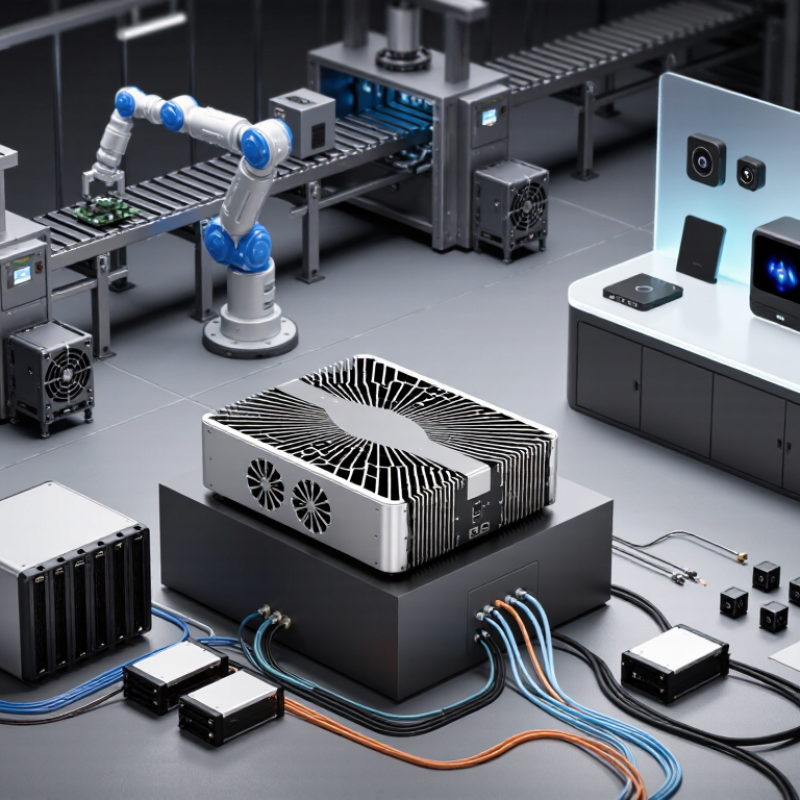
How to Choose an Edge AI Server Manufacturer?

Define the Role of an Edge AI Server in Distributed Computing

How to Choose an Edge AI Server Manufacturer?

Define the Role of an Edge AI Server in Distributed Computing

An edge AI server processes data near its source, instead of sending every stream to a distant cloud. A factory camera can detect a damaged component within milliseconds. A hospital device can flag abnormal readings while maintaining local operation during network disruption. Gartner projected that 75% of enterprise-generated data would be created and processed outside traditional data centers by 2025. That forecast explains the server’s growing operational role.

Edge AI servers coordinate inference, storage, security, and device management across distributed locations. They reduce bandwidth pressure and support faster decisions. IDC’s Worldwide Edge Spending Guide has forecast global edge spending to exceed 300 billion dollars by 2026. The figure is significant, but spending alone does not prove technical value. A compact server may fail in a dusty workshop. A powerful model may overheat inside a sealed cabinet.

Manufacturers should therefore be assessed against real deployment conditions. Check tested inference performance, thermal limits, remote management, failover design, and support response times. Ask for measured latency, not marketing averages. Review performance with your own models and sensor workloads. Energy use also matters when hundreds of sites operate continuously. According to the Uptime Institute’s data center research, power and cooling remain central reliability concerns. That lesson applies at the edge, where maintenance access is limited. I have seen specifications look impressive until vibration, weak connectivity, and delayed updates exposed the gap. The right manufacturer supports practical testing, transparent documentation, and gradual deployment rather than promising perfection.

How to Choose an Edge AI Server Manufacturer?

Define the Role of an Edge AI Server in Distributed Computing

Edge AI servers place inference and data processing closer to users, machines, and sensors. The representative latency values show why manufacturers should be evaluated for low-latency networking, reliable distributed deployment, hardware acceleration, thermal efficiency, and lifecycle management rather than server compute performance alone. Actual results vary by network design, workload, and geographic distance.

Metric: representative end-to-end round-trip latency planning value in milliseconds.

Identify Workload, Performance, and Deployment Requirements

Choosing an Edge AI Server Manufacturer?

Start with the workload, not the product brochure. Identify the models, input types, camera count, and expected inference rate. A safety inspection system may process twelve video streams, while a retail counter needs only occasional image analysis. These needs require different accelerators, memory sizes, and storage designs.

Measure performance under realistic conditions. Test latency, throughput, power use, and accuracy with your own data. Peak benchmark scores can mislead. A server may process images quickly in a cool laboratory, then slow down inside a dusty factory cabinet. Check sustained performance, thermal limits, fan noise, and recovery after power interruptions. Leave headroom for model updates and busier periods. More capacity is not always better.

Deployment details often decide reliability. Confirm the operating temperature, enclosure size, network interfaces, remote management, and security controls. Ask how firmware updates are verified and how long technical support remains available.

I once underestimated cable access during a site installation; the hardware worked, but maintenance became awkward and expensive. That mistake changed my evaluation checklist.

I now inspect mounting points, airflow paths, and replacement procedures before approving a server. Local regulations, data-handling rules, and offline operation may also shape the final configuration.

Compare Hardware, Software, and Connectivity Capabilities

Choosing an edge AI server manufacturer requires more than comparing processor names. IDC’s Worldwide Edge Spending Guide estimates global edge spending will reach about $317 billion in 2026. That growth increases the value of efficient, serviceable hardware. Check accelerator performance, thermal design, memory bandwidth, storage endurance, and expansion options. A compact server should survive dust, vibration, and unstable power. Ask for measured inference results, not marketing peak figures.

Software determines whether the hardware remains useful. Confirm support for container orchestration, model quantization, remote monitoring, secure boot, and over-the-air updates. The platform should run common frameworks without forcing costly redevelopment. Gartner’s 2024 predictions emphasize distributed computing and AI infrastructure as major enterprise priorities. Yet software compatibility is often weaker than the specification sheet suggests. Test one camera stream, then test fifty.

Connectivity needs equal attention. Select systems supporting wired Ethernet, private wireless networks, and optional cellular links. Measure latency, packet loss, failover time, and synchronization accuracy at the installation site. Ericsson’s Mobility Report projects 5G subscriptions will exceed 2.3 billion globally by the end of 2025, but coverage does not guarantee stable industrial connectivity. Use local processing when links fail. A field trial is essential. I would not trust a perfect laboratory score alone. The best manufacturer documents limitations clearly, supplies long-term security updates, and provides engineers who can troubleshoot after deployment.

Evaluate Manufacturer Quality, Security, and Technical Support

How to Choose an Edge AI Server Manufacturer?

Manufacturer quality becomes visible beyond a polished product page. Ask for thermal test results, component traceability, and documented burn-in procedures. A reliable manufacturer should explain expected performance under dust, vibration, and continuous high workloads. Request evidence from comparable deployments, not only laboratory demonstrations. I have found that clear failure-rate data often reveals more than impressive processor specifications. Check warranty terms, spare-part availability, and the planned lifecycle of major components. A low purchase price can become expensive when replacement parts disappear early. No manufacturer is flawless. Their response to past failures matters greatly.

Security must be evaluated before installation, not after an incident. Look for secure boot, hardware-based key protection, signed firmware, and controlled administrative access. Ask how vulnerabilities are reported, prioritized, and patched. The manufacturer should provide software bills of materials and clear update guidance. Supply-chain controls also deserve attention, including component sourcing and firmware integrity checks. Technical support should include measurable response times, escalation procedures, and engineers who understand both hardware and AI workloads. Test the support process with difficult questions before signing a contract. Can they diagnose thermal throttling from remote logs? Can they ship replacement parts quickly? Documentation may be incomplete, and support promises can sound better than reality. Run a small pilot, record every response, and judge the manufacturer by what actually happens.

Assess Total Cost, Scalability, and Long-Term Reliability

How to Choose an Edge AI Server Manufacturer?

The lowest purchase price rarely shows the real cost of an edge AI server. Calculate power use, cooling, installation, software updates, and replacement parts. A compact server drawing 600 watts can quietly add significant expense in a warehouse running all day. Ask for a five-year cost estimate, not only a quotation.

Scalability matters when camera feeds, inspection models, or sensor workloads increase. Check whether the system supports additional accelerators, memory, storage, and network ports. Confirm expansion without replacing the entire chassis. In my experience, unclear software compatibility creates more delays than limited hardware. I once underestimated integration labor. That mistake was expensive. Request documented benchmarks under your expected workload, not ideal laboratory conditions.

Tips: Examine warranty response times, local repair options, spare-part availability, and firmware support periods. Ask how failures are diagnosed at a remote site. Review thermal test results and operating limits. A reliable manufacturer should explain performance drops, maintenance needs, and known limitations clearly. Test a pilot unit for several weeks, including hot, dusty, and unstable network conditions. Perfect predictions are impossible. Honest evidence is better.

FAQS

How should I define my edge AI server requirements?

Start with the workload, not the product brochure. List models, input types, camera count, and expected inference rate. A twelve-camera inspection system needs more capacity than occasional image analysis. Leave room for busier periods and model updates.

Why should performance testing use my own data?

Laboratory benchmarks can mislead. Test latency, throughput, power use, and accuracy with real inputs. Measure results in heat, dust, and continuous operation. Peak scores are not enough.

Which deployment details can affect reliability?

Check operating temperature, enclosure size, airflow, network ports, and remote management. Inspect mounting points and cable access before installation. Small spaces matter. Poor access can make routine maintenance expensive.

What security features should an edge AI server include?

Look for secure boot, hardware-based key protection, signed firmware, and controlled administrator access. Ask how vulnerabilities are reported and patched. Request software component records and clear update instructions.

How can I evaluate a manufacturer’s technical support?

Ask for response times, escalation steps, and remote diagnostic abilities. Test difficult questions before signing. Can engineers identify thermal throttling from logs? Can replacement parts arrive quickly? Promises may sound better than reality.

What evidence should I request before choosing a manufacturer?

Request thermal test results, component traceability, burn-in procedures, and comparable deployment evidence. Ask about dust, vibration, and continuous workloads. Failure-rate data can reveal more than impressive processor specifications.

How should I calculate the total cost?

Include electricity, cooling, installation, software updates, repairs, and replacement parts. A 600-watt server running all day can create substantial warehouse costs. Request a five-year estimate, not only a purchase quote.

How can I test long-term scalability and reliability?

Confirm support for extra accelerators, memory, storage, and network ports. Check expansion without replacing the chassis. Run a pilot for several weeks under heat, dust, and unstable networks. Perfect predictions are impossible. Honest evidence matters more.

Conclusion

Choosing the right edge ai server manufacturer requires a clear understanding of how edge AI servers support distributed computing. These systems process data close to where it is generated, reducing latency, improving responsiveness, and limiting dependence on centralized infrastructure. Start by defining the intended workloads, including AI inference, real-time analytics, video processing, or industrial automation. Then evaluate performance requirements such as processor and accelerator capacity, memory, storage, power efficiency, operating conditions, deployment size, and connectivity needs.

A reliable selection should also compare hardware flexibility, software compatibility, remote management, security protections, and integration with existing systems. Manufacturer quality is equally important, including production consistency, testing standards, warranty coverage, technical support, and firmware update policies. Finally, consider the total cost of ownership rather than the initial purchase price alone. Energy use, maintenance, expansion options, replacement cycles, and long-term reliability all affect value. The best solution should meet current requirements while offering secure, scalable performance for future deployments.

Liam

Liam

Liam is a dedicated marketing professional with a profound expertise in the industry, where he excels at highlighting the unique advantages of our core products. With a keen understanding of market trends and consumer needs, Liam frequently updates our company’s professional blog, providing......